
Disability Awareness and Poll Workers
The Basics
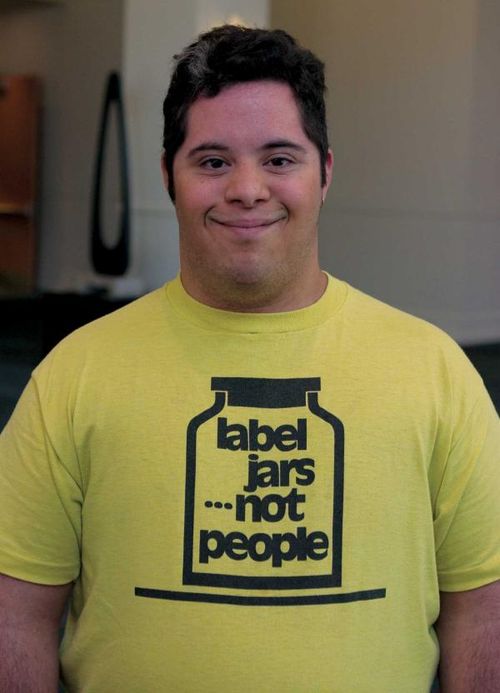
Serving disabled voters is usually not any different than serving most citizens. Good service is based upon politeness, respect, and attention to voters’ needs. The following are additional service tips that apply to all voters but can be especially helpful for disabled voters and older adults.
- Don’t make assumptions about a person’s ability to make an informed vote based on appearance, age, or apparent disability. Also, don’t assume who will or won’t need assistance.
- Some people may need more time to process information for various reasons–don’t rush them or show impatience.
- If a voter has difficulty understanding instructions or questions, try saying the instructions differently rather than repeating them. You may also try showing the voter what you mean while speaking. For example, point to the line where you want them to sign while explaining the procedure.
- Touching a person’s shoulder or arm may be helpful or necessary to get their attention. However, do not grab, pull, or tap a person from behind! Most people do not prefer to be approached from behind and can be startled. People with certain types of disabilities may find this to be upsetting.
- Always ask permission to touch or move a voter’s personal items. Doing so is considered polite and respectful. People with certain types of disabilities may find it upsetting to have their belongings moved or touched
- Body language can be as important as what we say. Good eye contact, open hands, and leaning towards people puts them at ease. These actions can be especially helpful when a voter is frustrated or stressed.
Best Practices for Specific Disabilities
Wheelchair Users and Other Mobility Conditions
The wheelchair is part of a person’s body space. Remember not to grab or lean on a person’s wheelchair. This also applies to walkers, canes, or any other device used for mobility.
Never push a wheelchair without first getting permission from the wheelchair user! If someone is having apparent difficulty, such as getting over a threshold or opening a door, ask the person if they need help. Also ask how you should assist them when pushing a wheelchair–especially if moving over a threshold!
Keep the “path of travel” clear. Wheelchair users must have a clear path to the ballot box, tables, etc. For instance, keep chairs pushed close to tables when not in use.
People who use walkers, canes, braces, or have conditions that cause fatigue may need a place to sit while waiting in line to vote. A simple folding chair will meet this need.
Blindness/Low Vision
Identify yourself. A simple “Hi, I’m Mary, and I am a poll worker” assures the voter that they are working with the right person.
Provide specific directions to locations. Instead of “The accessible ballot marking device is at the back of the room,” say, “We have an accessible ballot marking device about 20 feet to your right in the back of the room.”
If asked to guide a blind person, offer your arm, elbow, or shoulder. When moving, describe what is on the path ahead. Example: “We are moving through a doorway and taking a right down a hallway.” Let the person know when you are leaving. Example: “I’m going to return to the front area now unless you want me to stay.”
Feel free to offer guiding assistance to blind voters but accept their decision to move throughout the voting area without assistance.
Hearing Loss/Deafness
When a companion or interpreter is present to help with communication, make eye contact with and address your instructions or questions to the voter.
Two-way communication can occur by nodding, gesturing, or writing notes.
If a voter uses lip reading for communication, make sure your face and mouth remain in clear view of the voter. If you point to something such as a different area in the room or printed information, don’t look away or at the item you are discussing while speaking.
Lip reading does not require you to speak slowly or over-enunciate. Doing this actually makes lip reading more difficult. Simply speak clearly at a normal rate of speech.
Speak at a usual volume to people wearing hearing aids or cochlear implants unless they ask you to speak louder. These devices are generally tuned to hear speech at an average volume.
Disabilities that Affect Speech
People who experience difficulty speaking ( for example, due to cerebral palsy or stroke) generally have no difficulty comprehending speech. Use the same tone of voice and volume you typically use, unless the person asks you to speak louder and/or more slowly.
Allow the person time to speak. Don’t complete the person’s sentences, and don’t show impatience—be aware of your body language and facial expressions.
If you have difficulty understanding a person’s speech, use the “Play it Back” technique to confirm what you think was said. Repeat what you understood the person to say, and then let the voter verify that you are correct.